
Warmer floors in winter
Insulation under the floor stops cold air rising through gaps in the timber, so your feet stay warm and the heating system doesn’t have to work as hard to maintain a comfortable temperature.
Maidstone
Underfloor insulation in Maidstone stops cold air rising through suspended timber floors, fixing draughts and reducing heating costs for older homes in the area.
Share your details and Expert Insulation Melbourne will contact you about Underfloor Insulation in Maidstone.
Underfloor insulation is installed between the floor joists from the subfloor in homes with suspended timber floors. In Maidstone, many older weatherboard and brick veneer houses sit on stumps with a crawl space underneath, making them ideal for this upgrade. The job involves fitting bulk insulation batts or reflective foil between the joists to block cold air and draughts before they enter the living space.
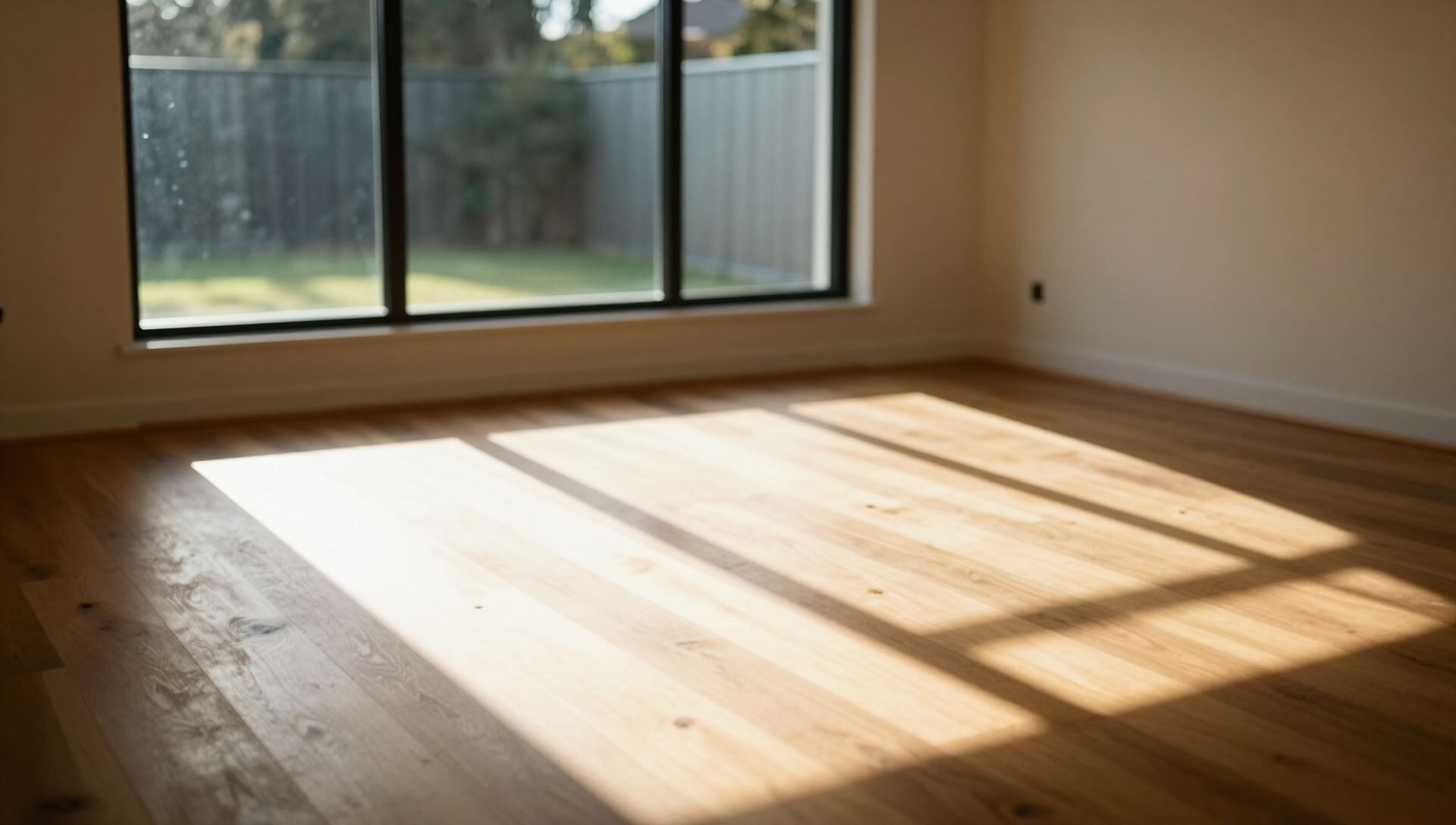
Maidstone’s older homes often have uninsulated subfloors, letting cold winter air and summer heat move freely under the floorboards. Underfloor insulation addresses this by creating a thermal barrier that improves comfort and energy efficiency.
Insulation under the floor stops cold air rising through gaps in the timber, so your feet stay warm and the heating system doesn’t have to work as hard to maintain a comfortable temperature.
Sealing the subfloor with insulation and gap sealing cuts the draughts that make rooms feel chilly even when the heater is on. This is especially noticeable in Maidstone’s older homes with exposed floorboards.
By reducing heat loss through the floor, underfloor insulation can cut heating bills by keeping warm air inside where it belongs. The savings add up over Melbourne’s cold winters.
Bulk insulation batts also absorb sound, reducing noise transfer between floors and from outside. This is useful in Maidstone homes near busy roads or with timber floors that amplify footsteps.
Properly installed underfloor insulation helps manage moisture in the subfloor, reducing the risk of condensation that can lead to mould or timber rot in older homes.
Quality polyester or glasswool batts resist sagging and moisture damage, maintaining their R-value and performance for the life of the home.
Installing underfloor insulation requires access to the subfloor, which is typically through a crawl space or by lifting sections of flooring. The process is straightforward but must be done carefully to ensure full coverage and no gaps.
The first step is checking the subfloor for adequate access, structural soundness and any existing insulation or debris. Old batts or loose material are removed, and the area is cleaned to ensure a smooth installation.
Insulation batts are measured to fit snugly between the floor joists without compression, which would reduce their R-value. Reflective foil may also be used in combination with bulk insulation for added thermal resistance.
Batts are placed between each joist, ensuring full contact with the timber and no gaps that could let cold air through. The insulation is secured to prevent sagging over time.
Any gaps around pipes, cables or the edges of the subfloor are sealed to prevent draughts. The access point is then closed, and the area is left clean and tidy.
Maidstone’s mix of weatherboard and brick veneer homes, many built on stumps with suspended timber floors, are prime candidates for underfloor insulation. The suburb’s proximity to the Maribyrnong River means cold winds can penetrate uninsulated floors, making rooms feel chilly even with heating on. Underfloor insulation addresses this by blocking cold air at its source, improving comfort and reducing energy use.
Stop cold floors and draughts in Maidstone with underfloor insulation installed under suspended timber floors.
Homeowners in Maidstone often have questions about how underfloor insulation works, what it costs and whether it’s worth the investment. Here are the most common queries.
Underfloor insulation in Maidstone is a practical upgrade for older homes with suspended timber floors. Many properties in the area were built without subfloor insulation, leaving them vulnerable to cold draughts and high heating costs. Installing batts between the floor joists blocks cold air before it enters the living space, making rooms more comfortable and reducing energy bills.
The process begins with a subfloor inspection to check access and structural conditions. Insulation batts, typically made from polyester or glasswool, are then fitted snugly between the joists. Reflective foil can be added for extra thermal resistance. The job is completed by sealing any gaps to prevent draughts, ensuring the insulation performs at its rated R-value.
Maidstone’s climate, with cold winters and hot summers, makes underfloor insulation a worthwhile investment. It complements ceiling insulation by addressing heat loss through the floor, which can account for a significant portion of a home’s total energy use. For homes near the Maribyrnong River, it also helps manage moisture and condensation in the subfloor.
Stop cold floors and draughts in your Maidstone home with underfloor insulation. Call Expert Insulation Melbourne on 0399695249 or email info@expertinsulationmelbourne. com. au to discuss your needs.